Contrast Symbols
translate
tall
| home | ||
| previous | table of contents | next |
tall
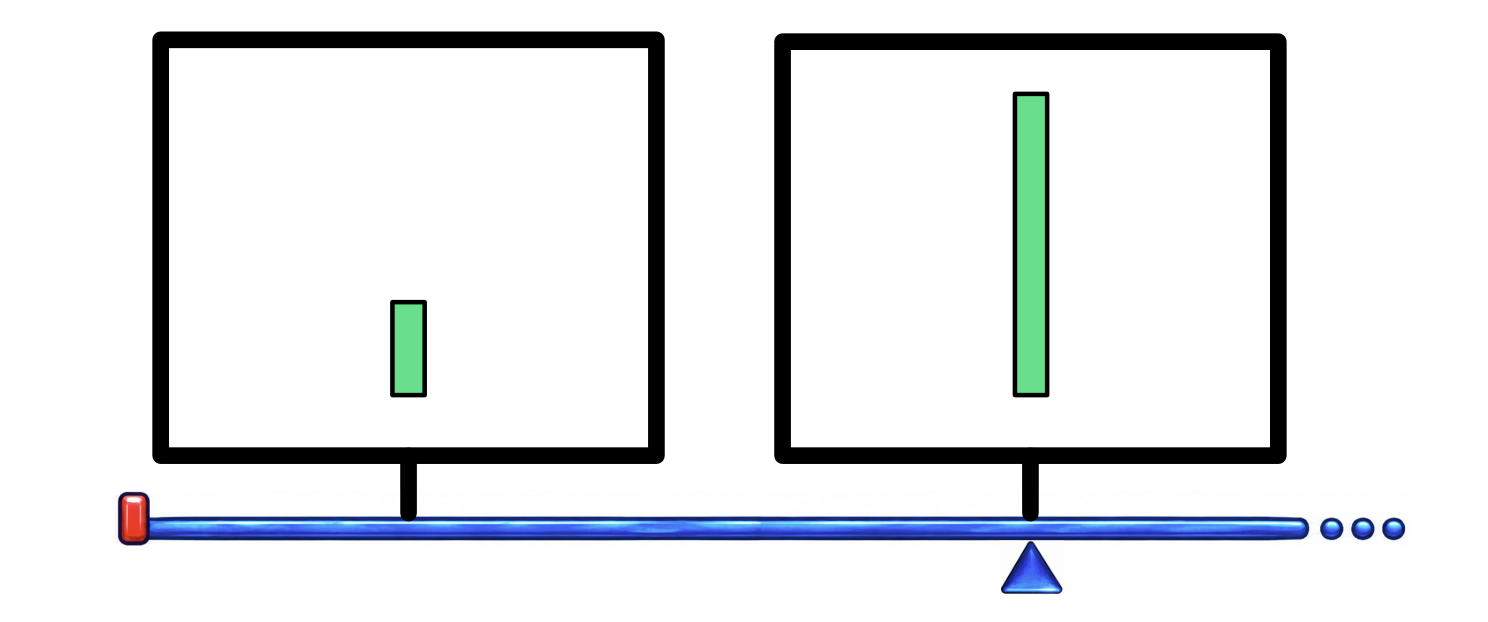
The symbol above is an example of a "contrast symbol". It has this name because it presents two pictures that contrast with each other, or differ from each other in some important aspect. In the case above, we see two green rectangles that are different in height. The pointer (little blue triangle) points at the tall rectangle, and so the meaning of the symbol is "tall". To interpret this symbol, you should think "not short but tall".
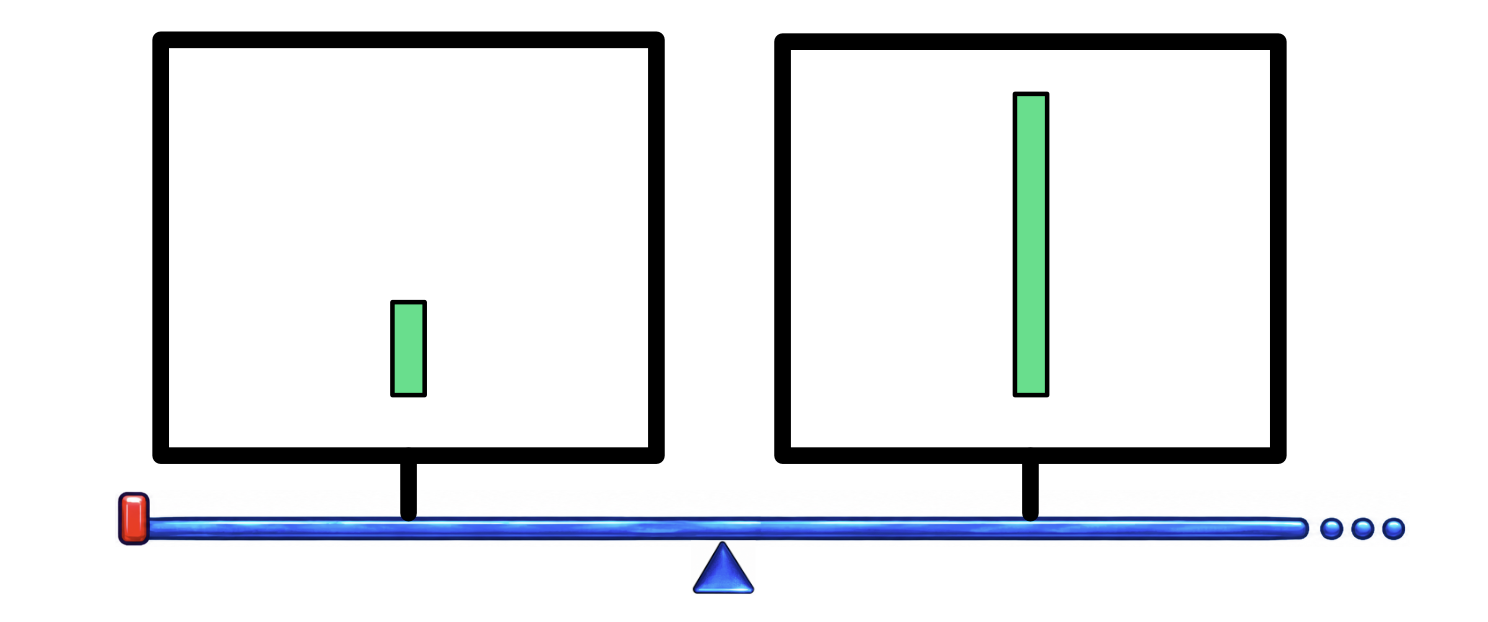
medium height, not tall not short
The long blue horizontal line is called the number line. It is similar to a mathematical number line in that it represents a continuous change of something. In the symbol above the number line represents a continuous change in height ranging from short to tall, and depending on where we put the pointer we can even represent heights that are taller than tall and that are shorter than short - like "very tall" and "very short".
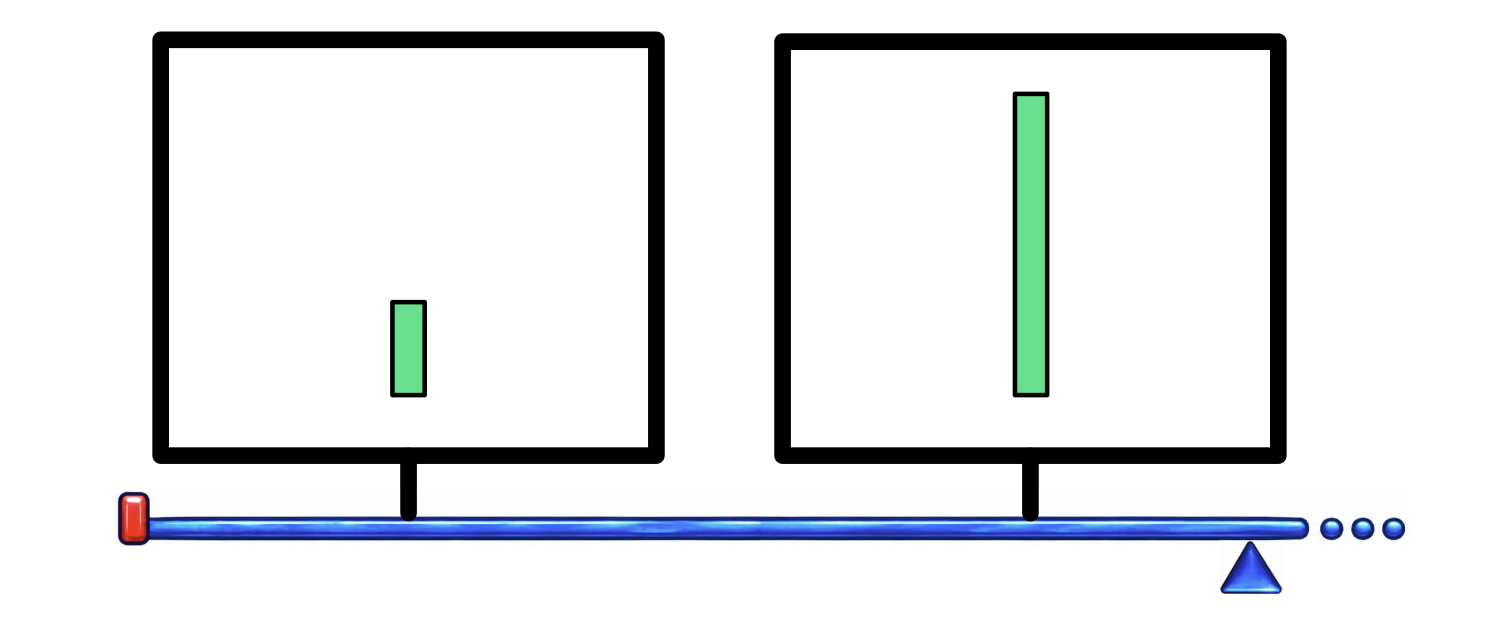
very tall
The 3 dots to the right of the number line mean that the line extends forever in the right hand direction. This tells us that there is no limit to how tall something can be. However, there is a limit to how short something can be, and that limit is a height of zero. The red rectangle represents this limit. It represents the end of the number line. The red rectangle is called a "stop" because it stops or prevents the pointer from going any further than the red rectangle in the left hand direction.
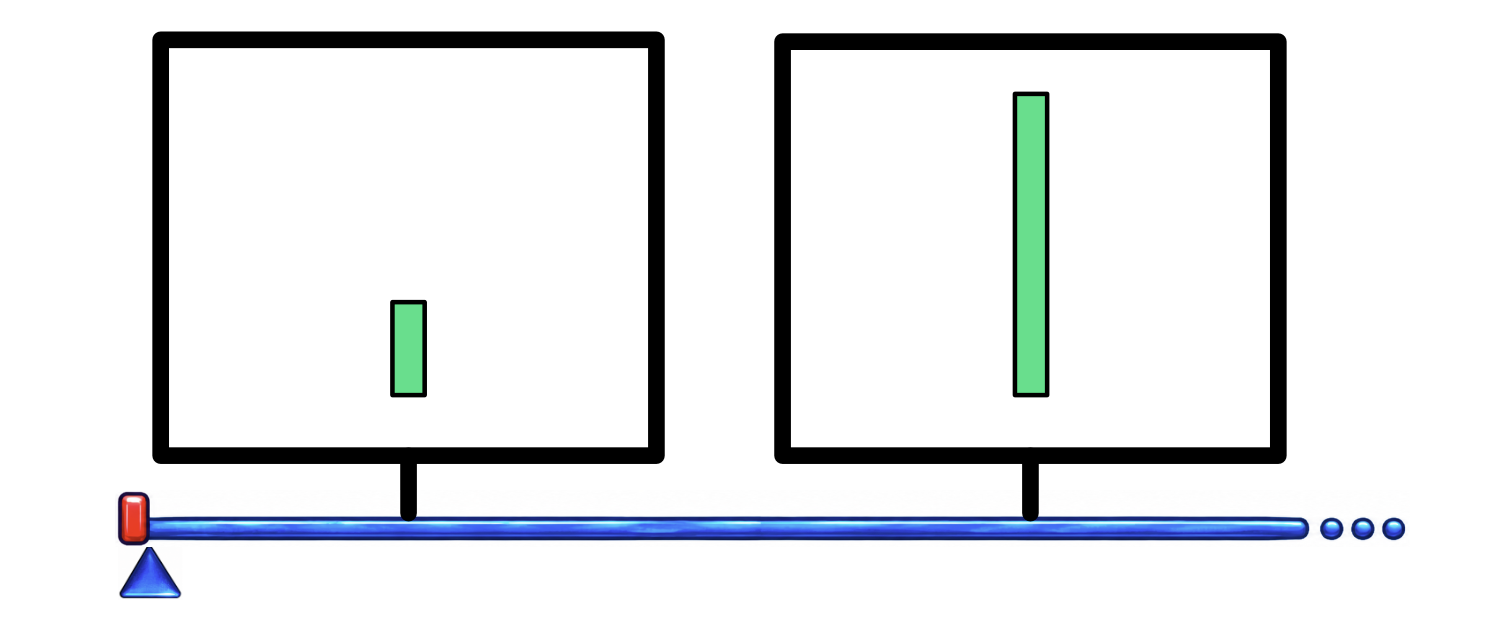
height = 0
The symbol below doesn't have a pointer. Can you guess what this symbol means?
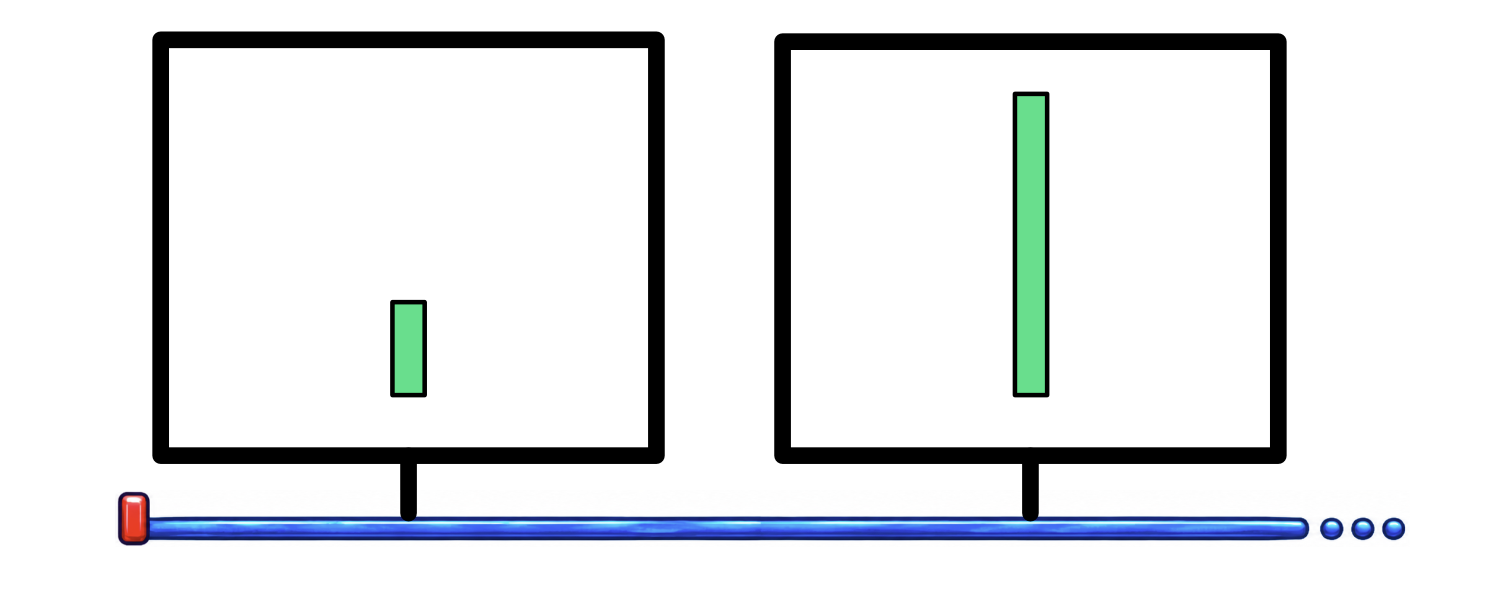
height
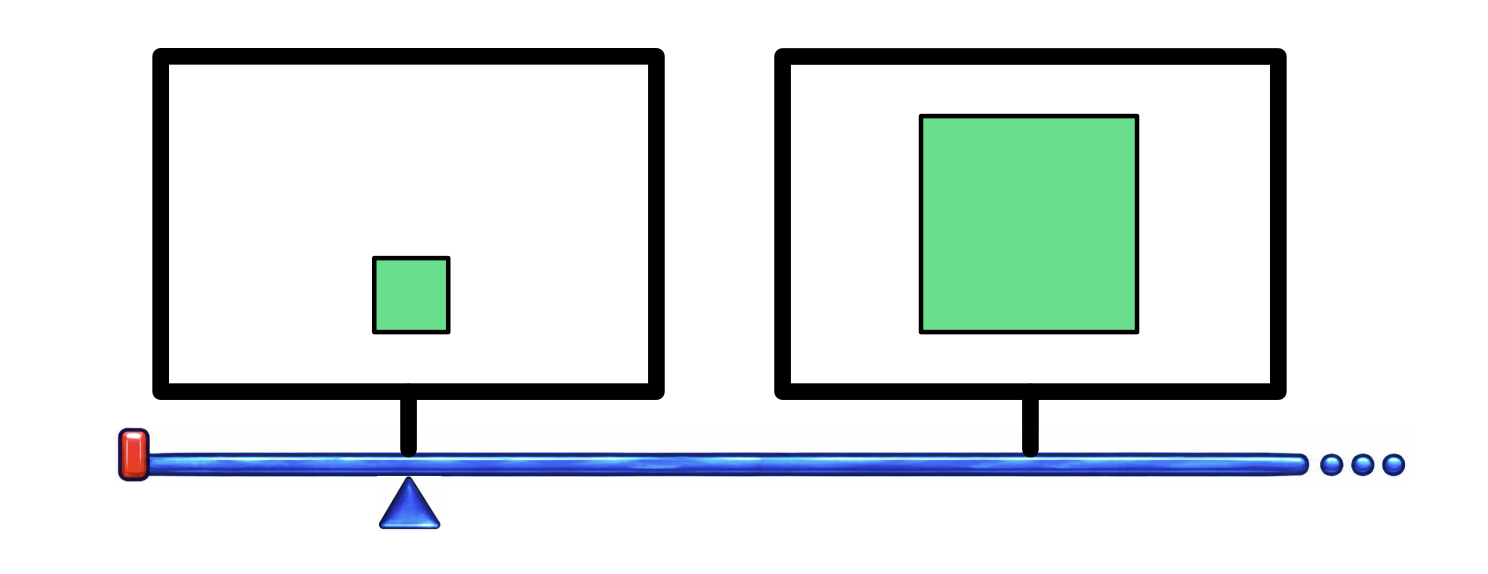
small, little
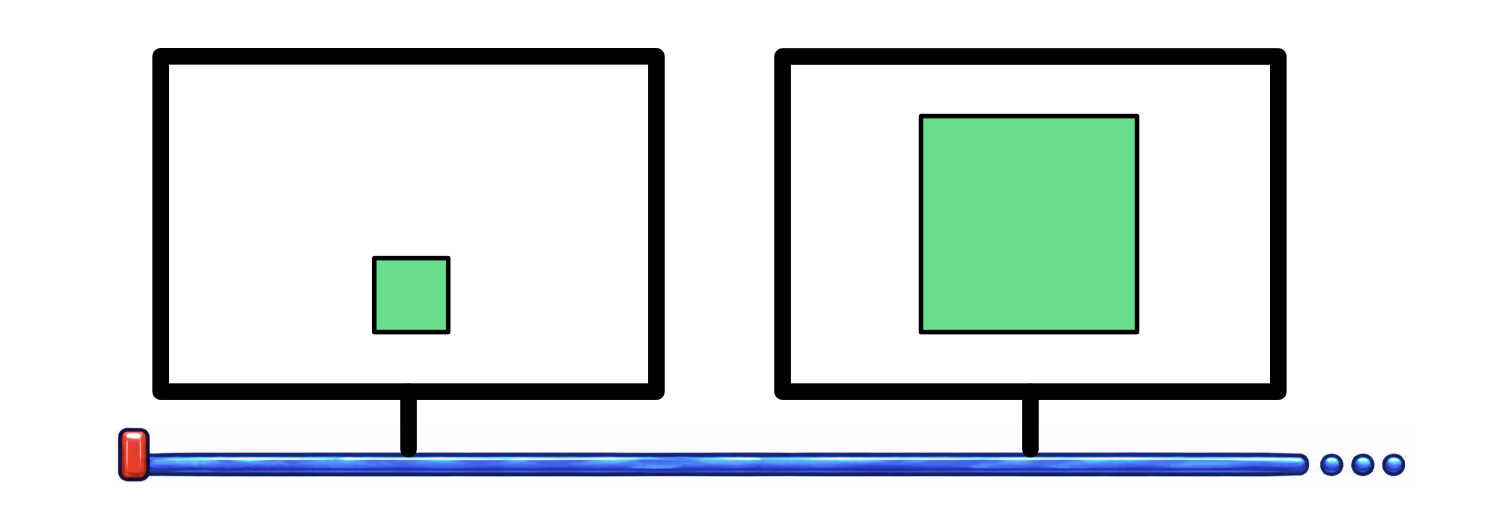
size
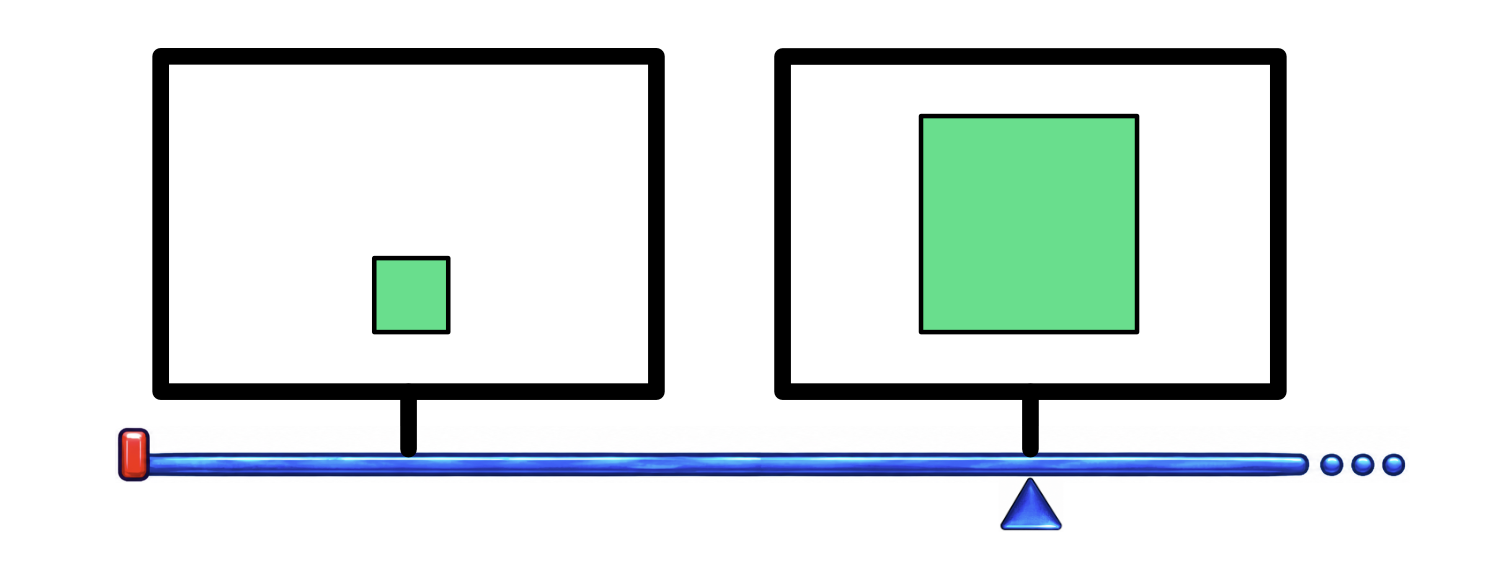
big, large
Look at the symbol for "big, large". This symbol presents two green squares. These squares have two things in common and one difference. Both are green and both have a black outline, so that's what they have in common. The difference between the two squares is to be found in their sizes. It is very important to understand that the meaning of the symbol has nothing to do with the things the two pictures have in common and everything to do with their difference. To see this, let's write a short description of both pictures:
small green square with black outline
large green square with black outline
Next, eliminate everything that is the same and we will be left with the difference, which is the meaning of the symbol:
small green square with black outline
large green square with black outline
In other words, our symbol for large DOES NOT mean "large green square with black outline", it just means "large".
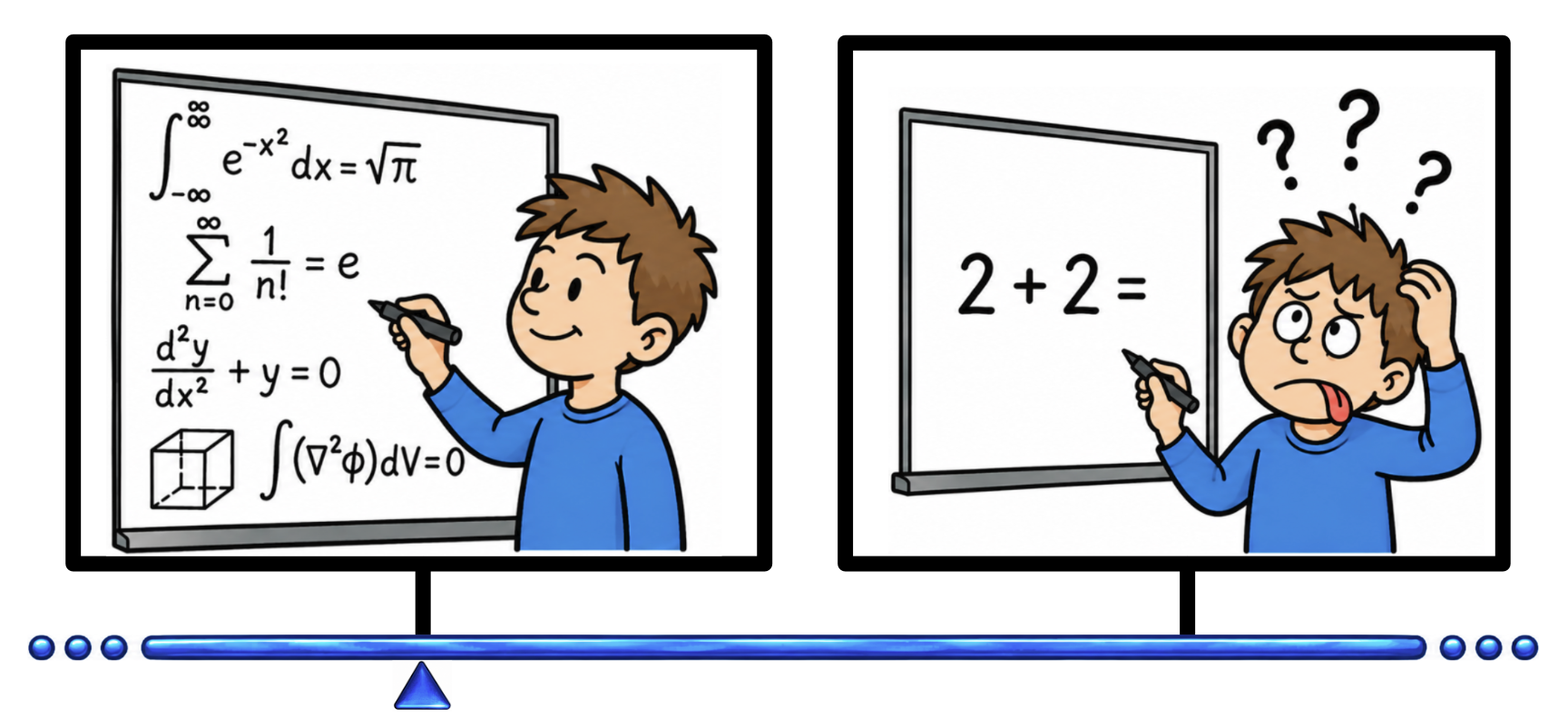
smart, intelligent
smart at mathematics
stupid at mathematics
The following phrase has two symbols. What do you suppose the phrase means?
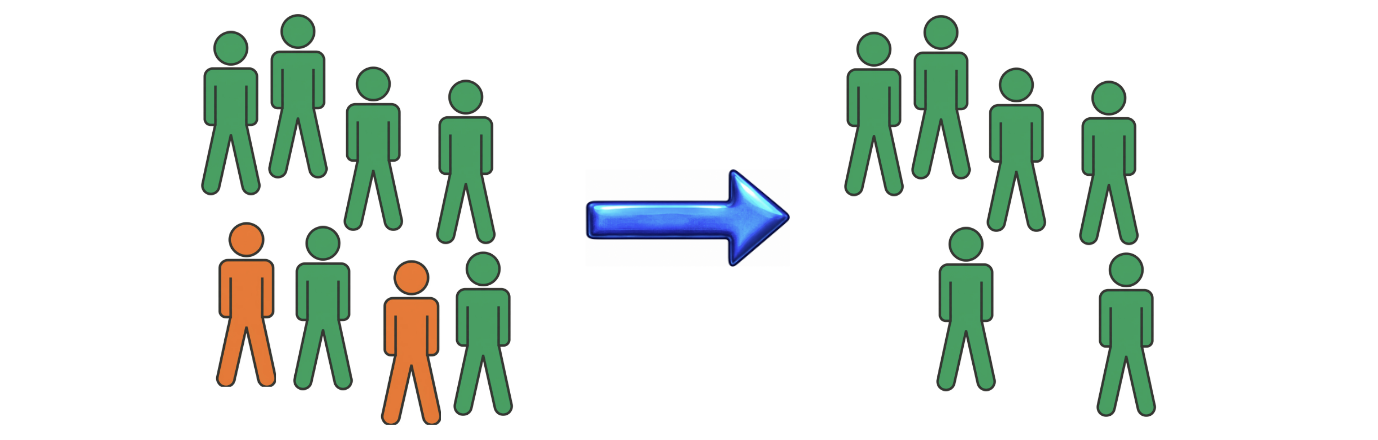
small majority, slim majority
Let's look at some more examples of contrast symbols.
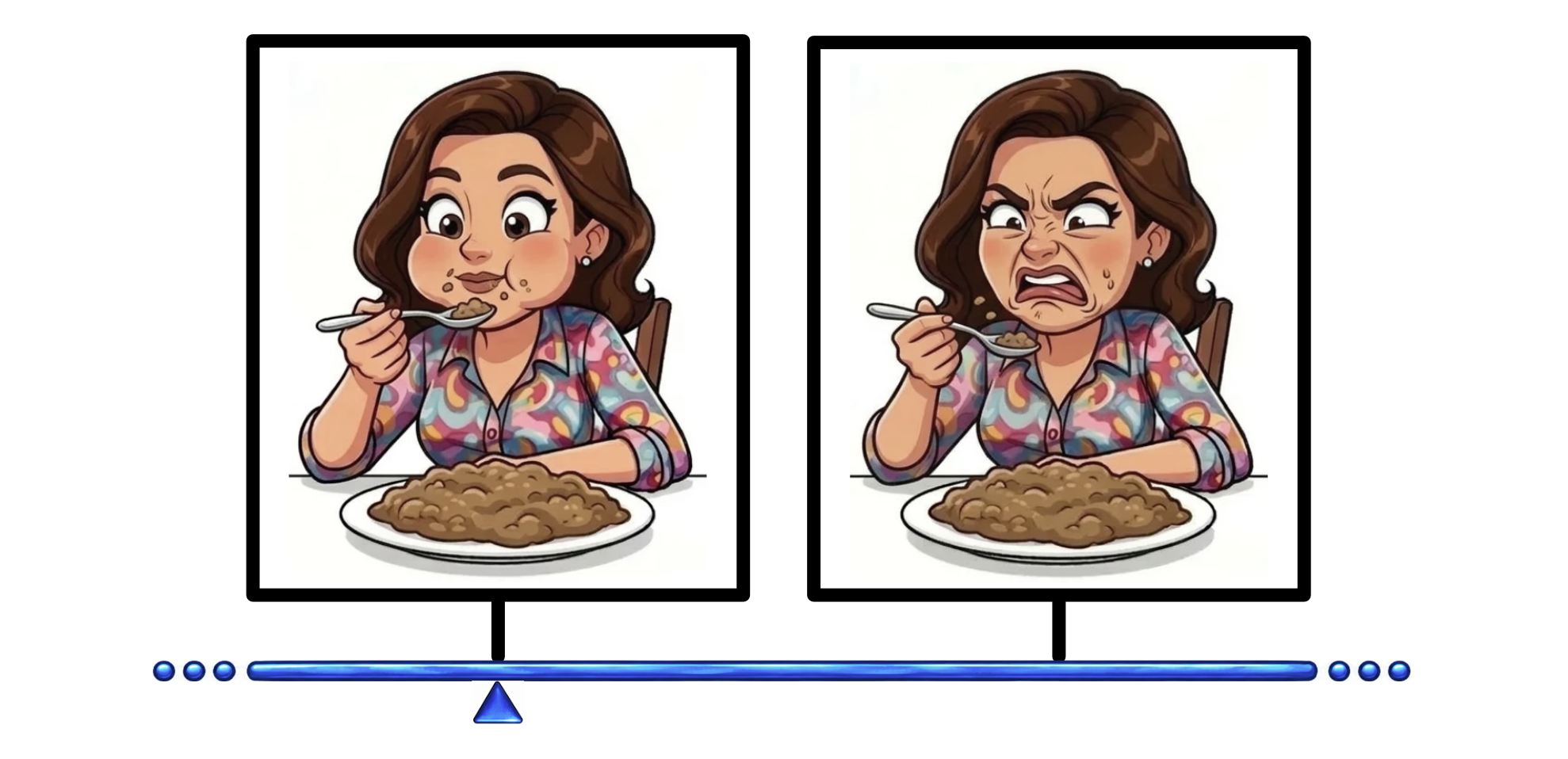
to like, to be fond of
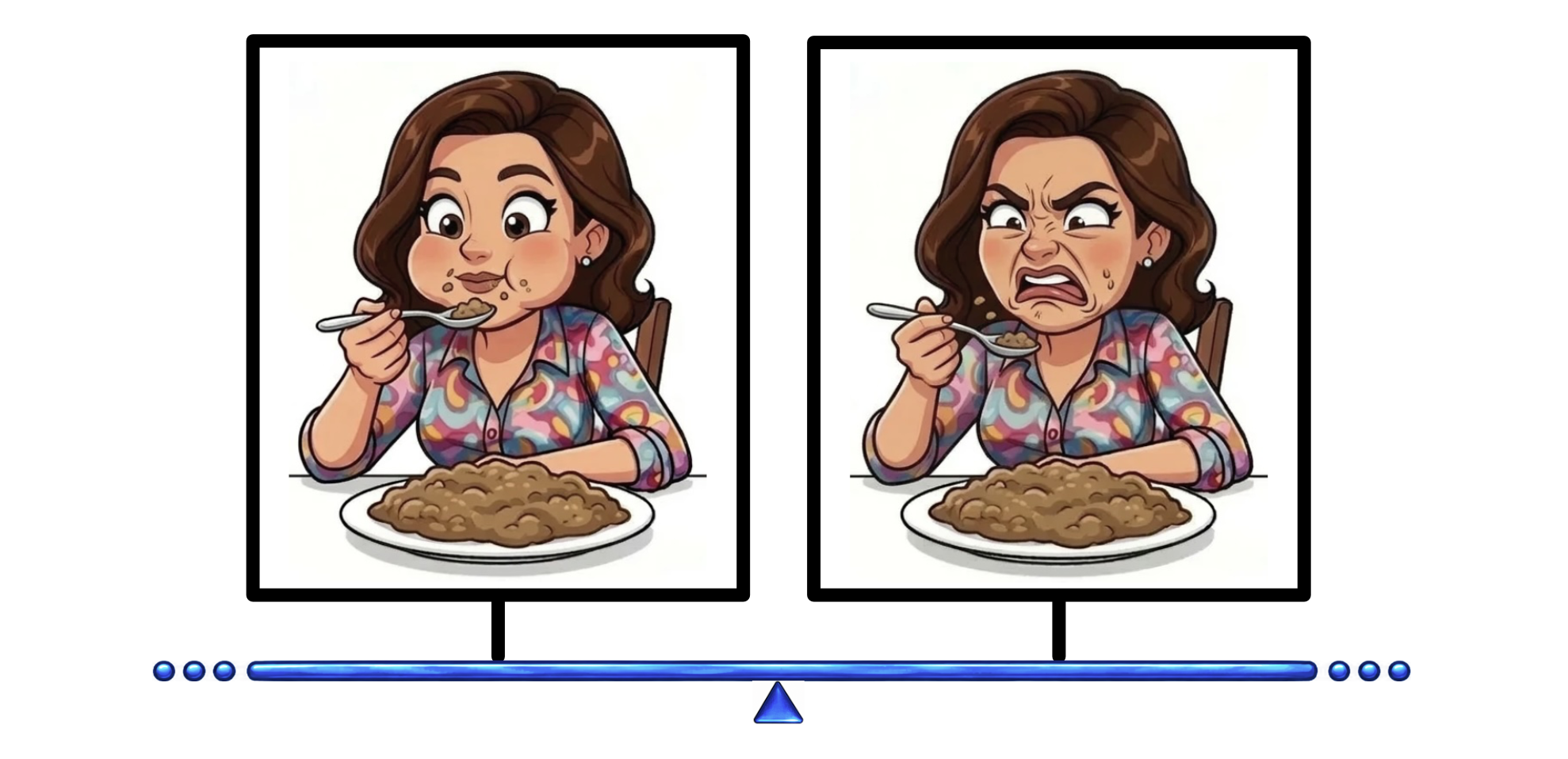
ambivalent, neither like nor dislike
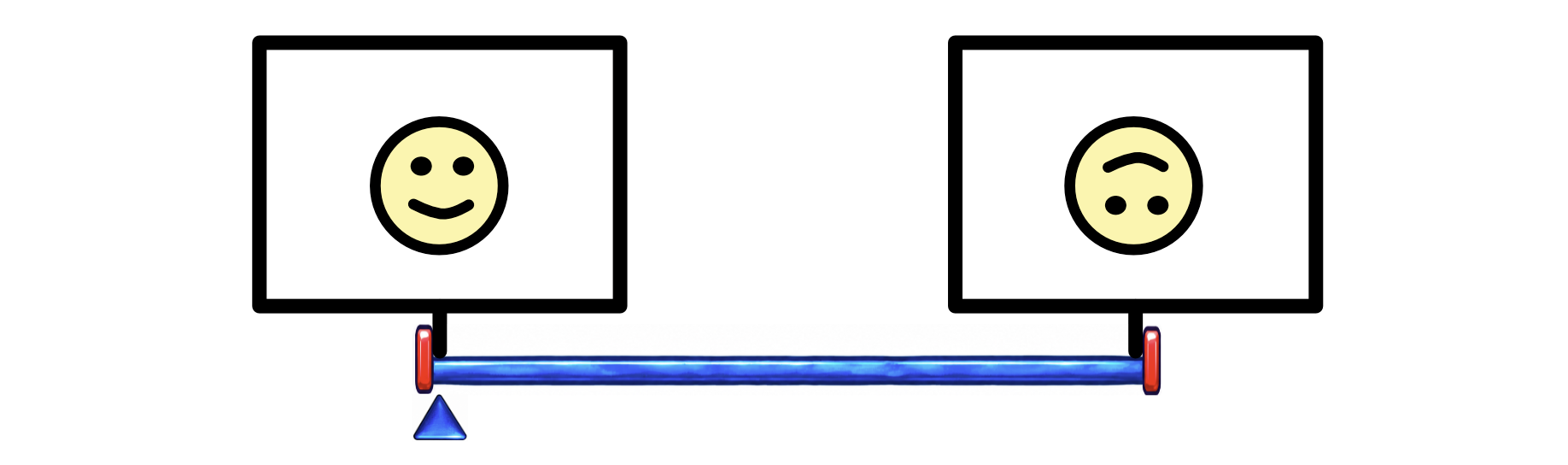
right side up, exactly right side up
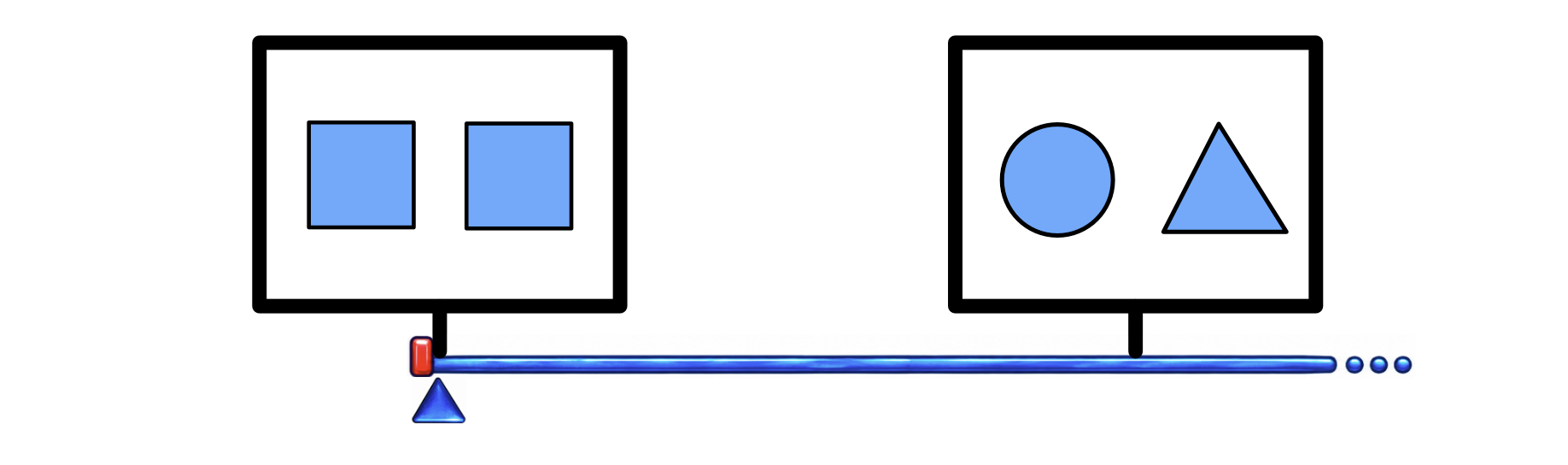
the same, identical
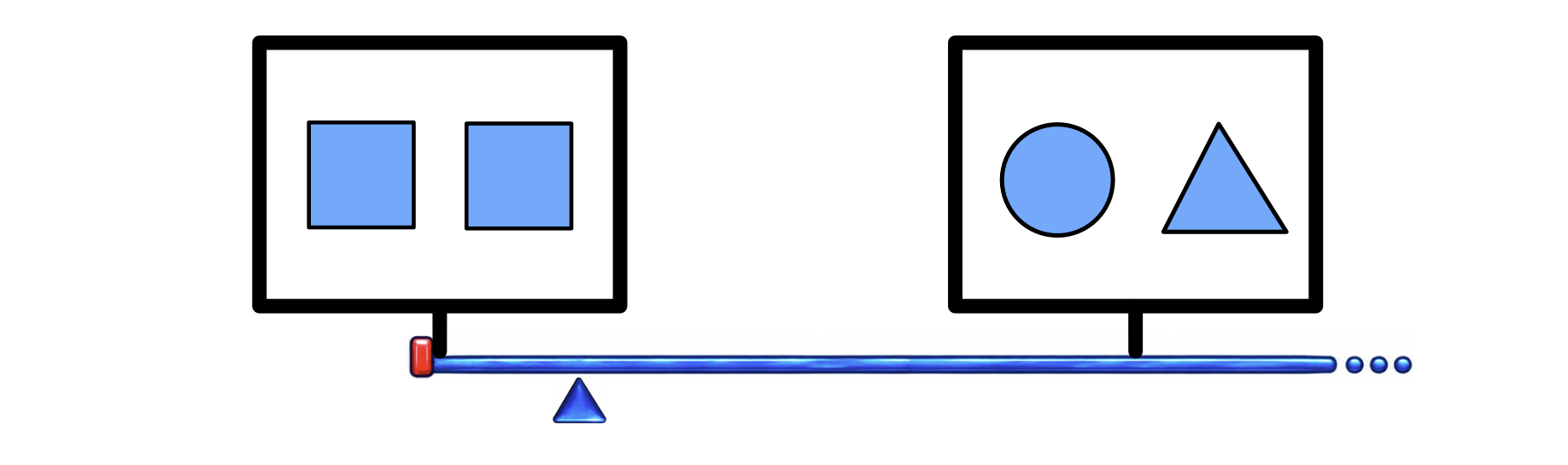
similar
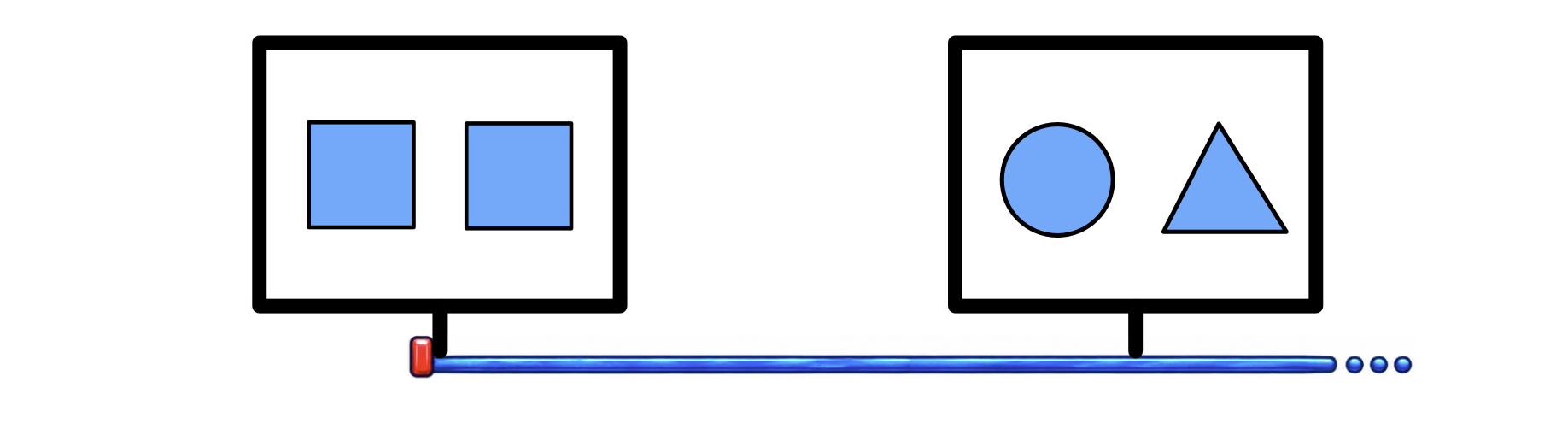
similarity, resemblance
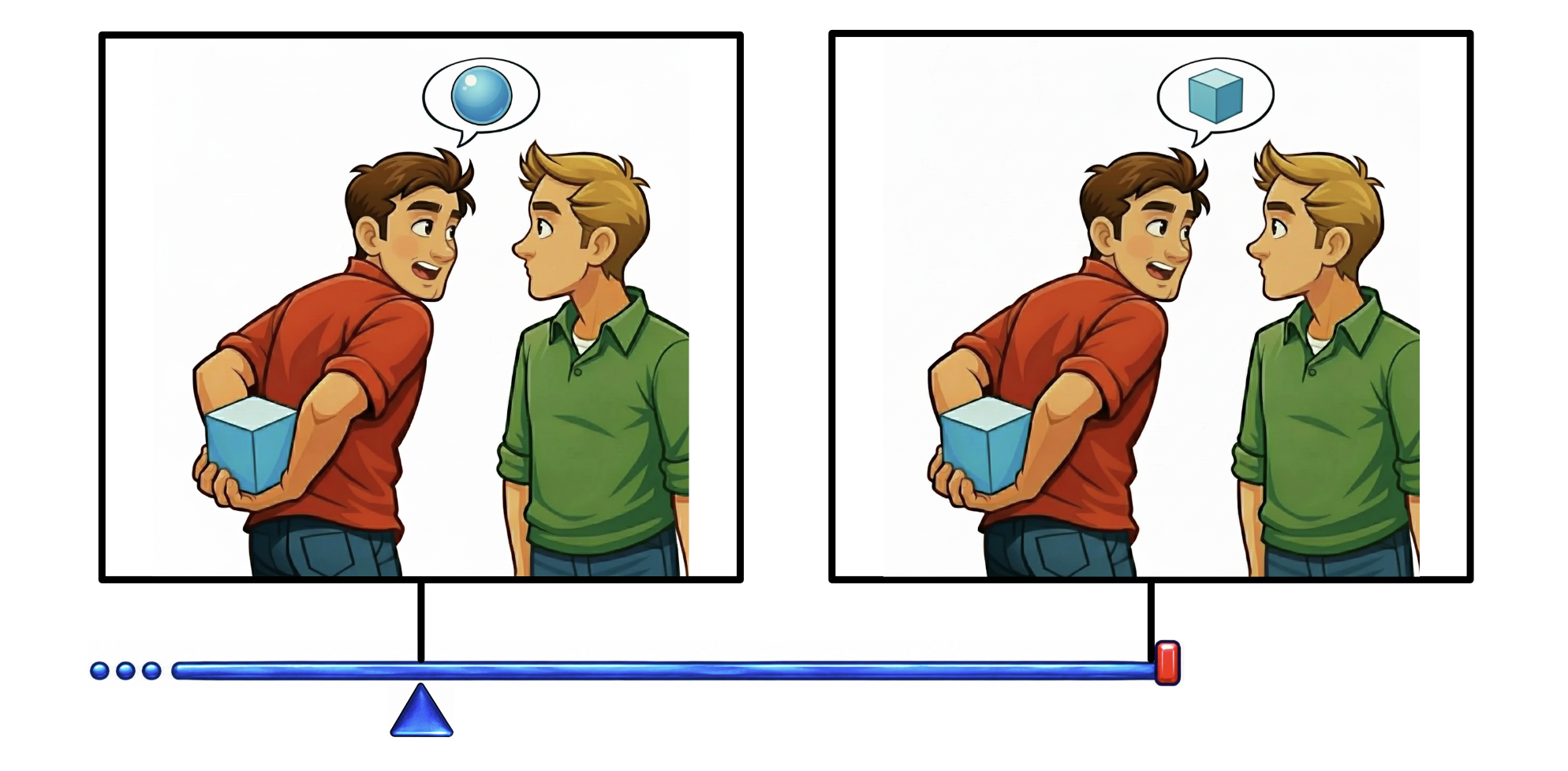
lie, lying
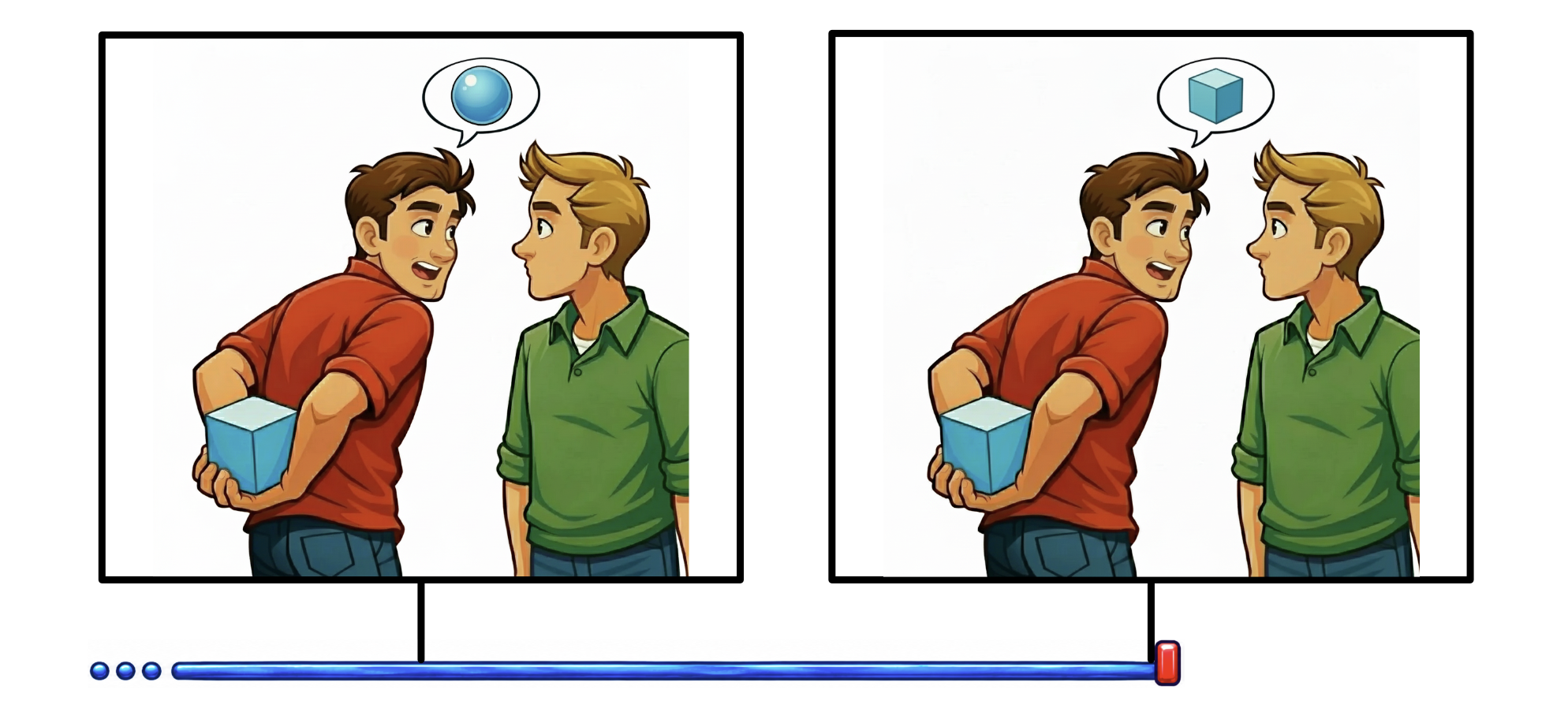
truth, true or false
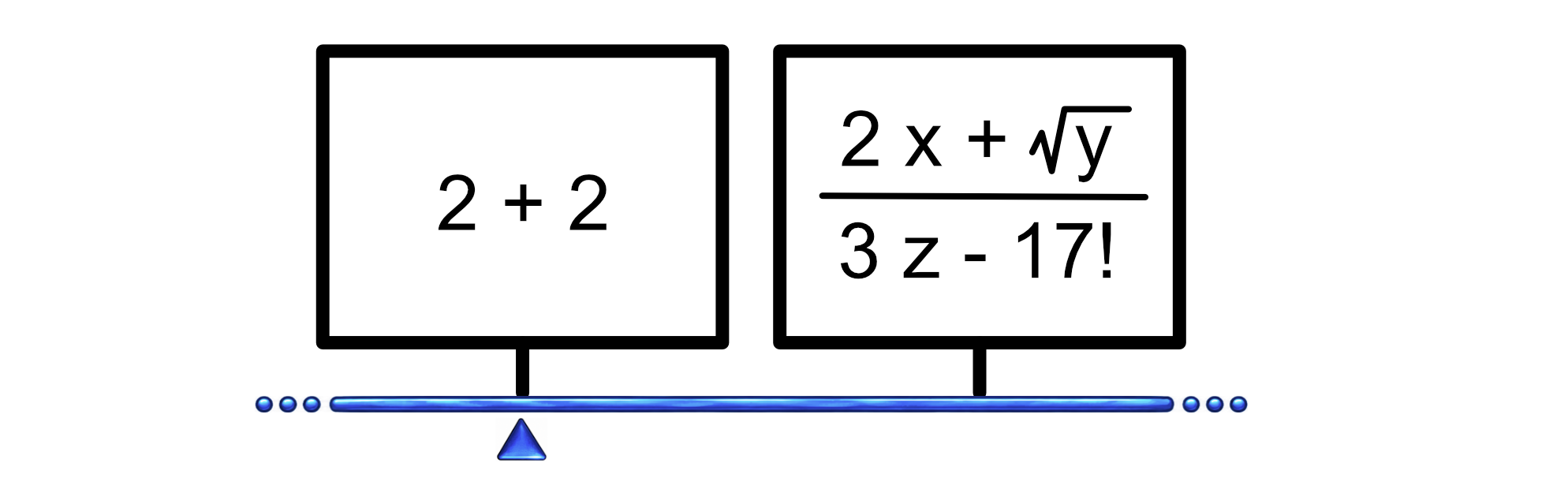
simple
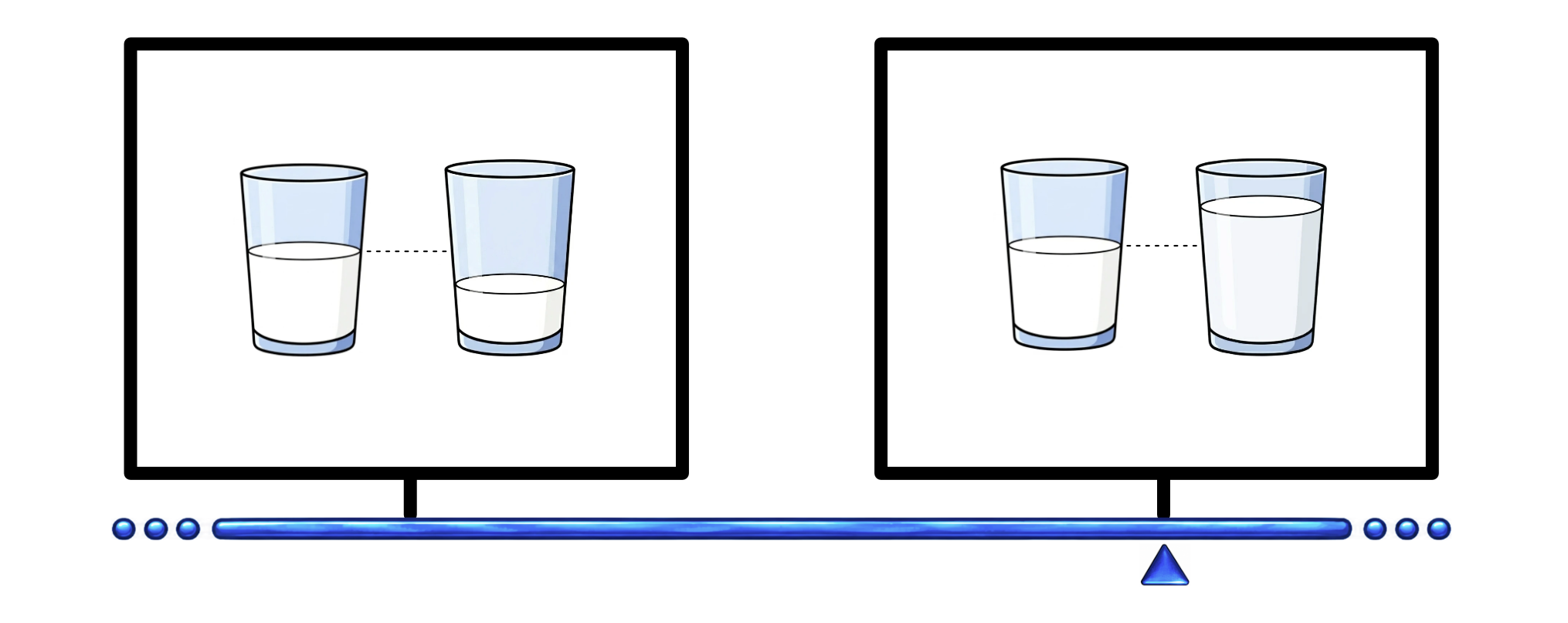
more than
In UPL we can have many symbols for any given concept. You can even invent your own symbols! Here's an example of two different symbols that both mean the same thing:
 1.png)
free
 2.png)
free
Take a look at the following symbol and see if you can guess what it means.
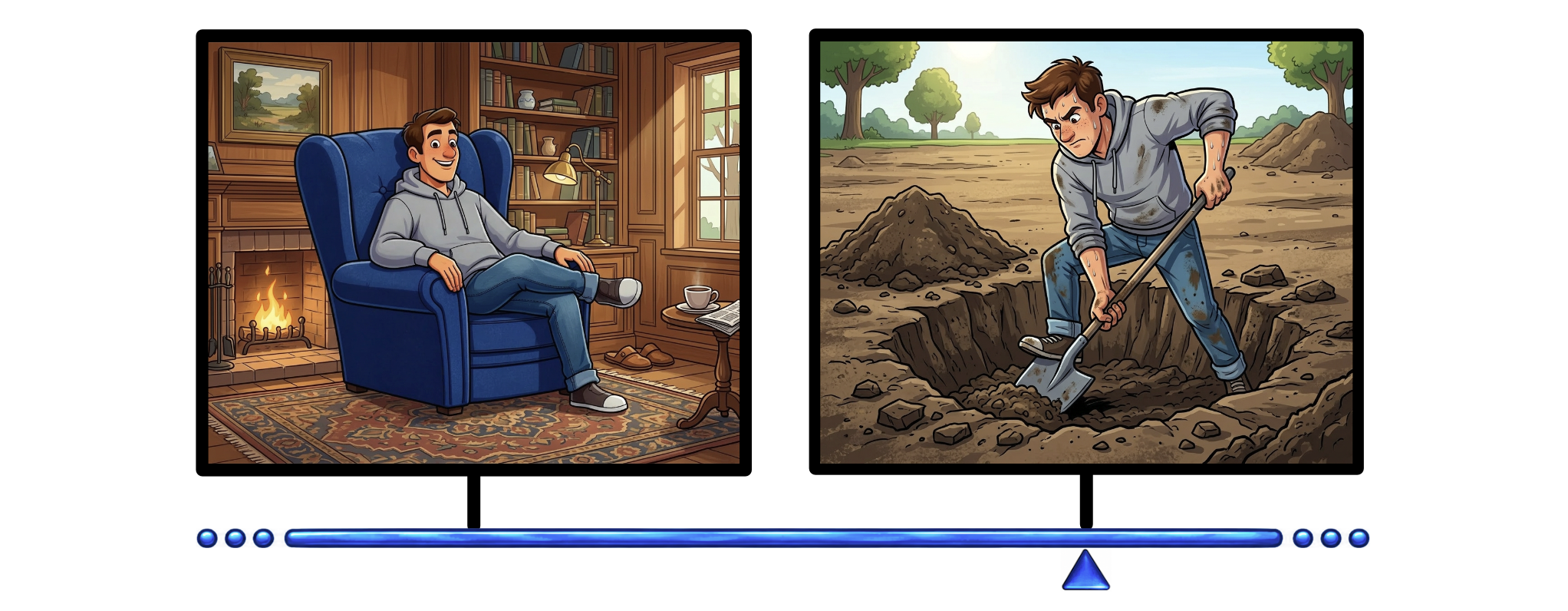
to work
The last symbol above, "to work", is a contrast symbol. In order to understand the meaning of the symbol we must find what is different between the two contrast pictures. But in this symbol there are many differences. The man on the right is outside and the man on the left is inside. The picture on the right has a hole and dirt, while the picture on the left has no hole and no dirt. So when there are many differences in the contrast pictures then we look for the MOST SIGNIFICANT DIFFERENCE. In this case the most significant difference is the man on the right is working while the man on the left is taking it easy.
The number line and its pointer suggest a whole range of possibilities, but what do we do if there are only two possibilities, or three, or four? Consider the concept of "have" or "have not". There are only two possibilities - you either have something or you don't. There is no in between. In this case we eliminate the number line and make a rule that the pointer can only be positioned beneath one of the tick marks:
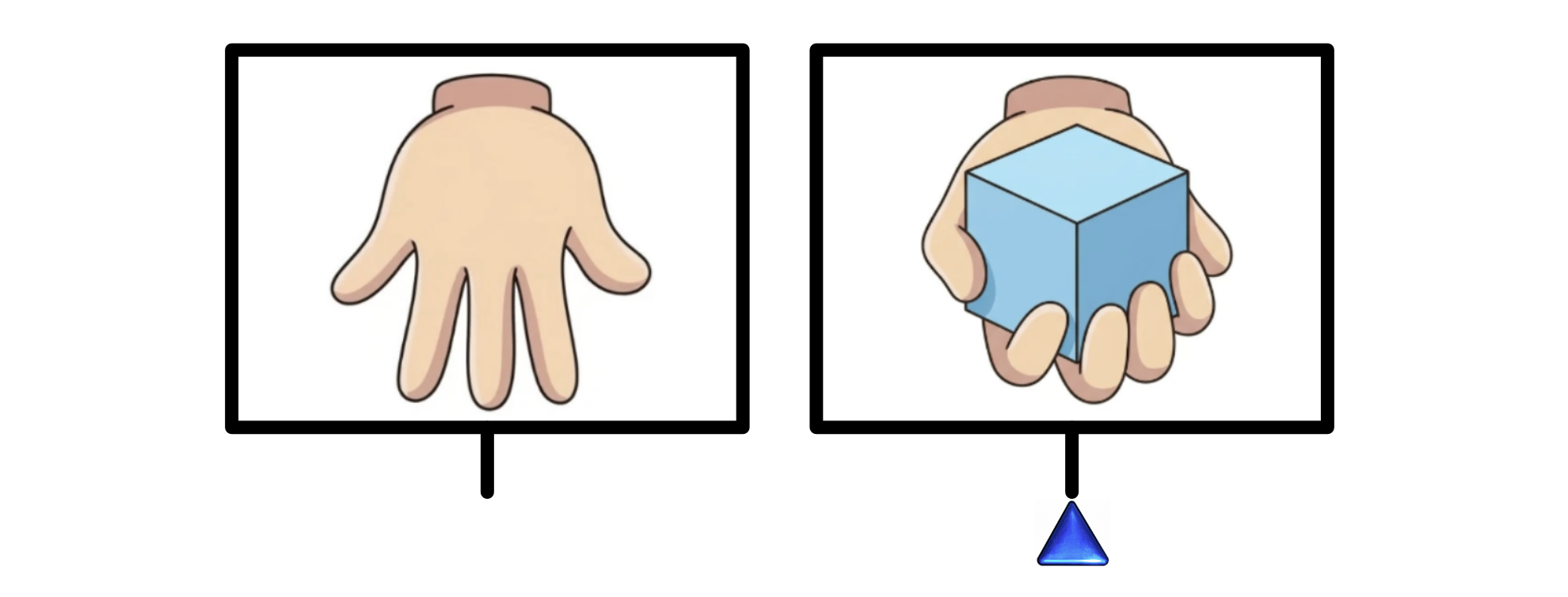
have
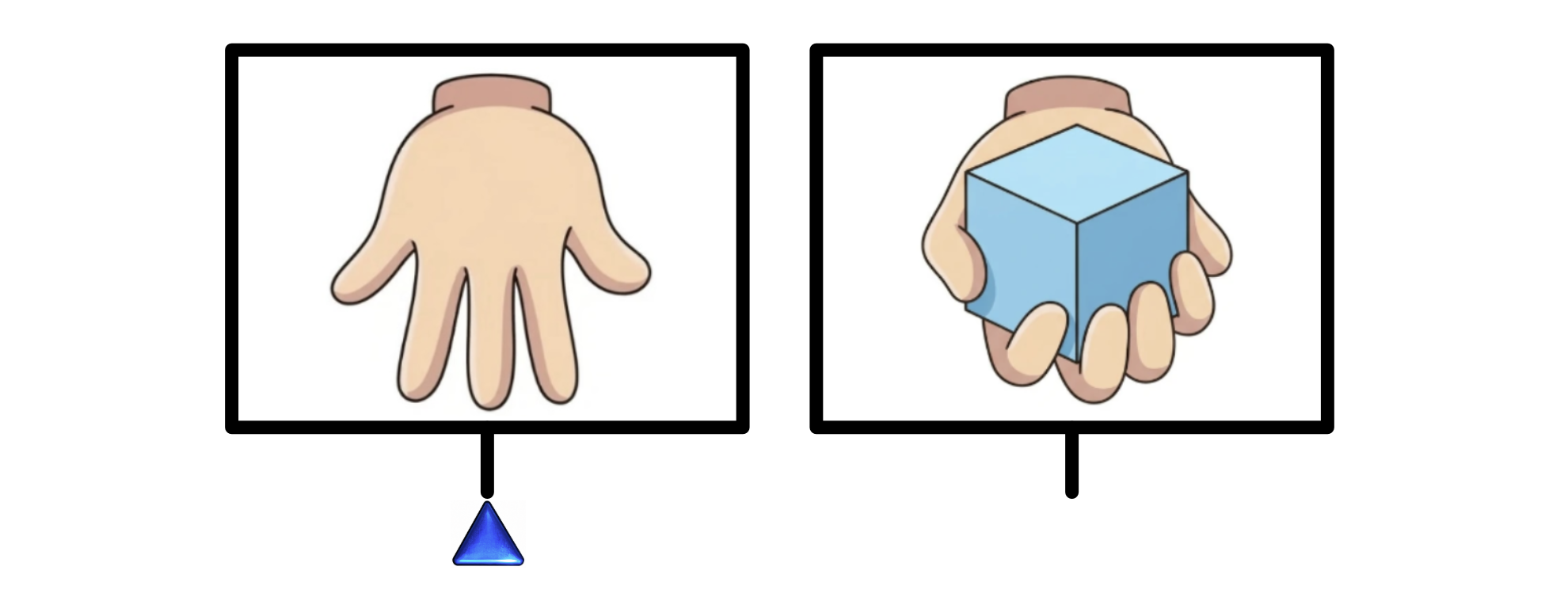
have not
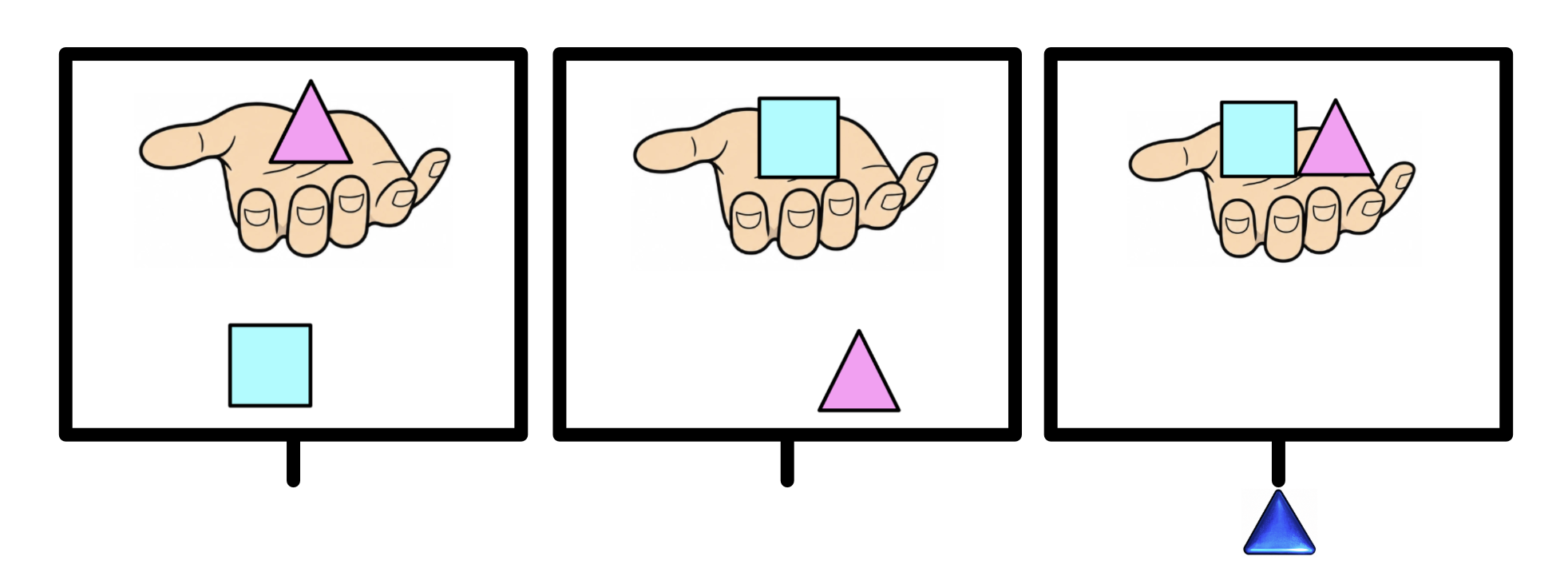
both
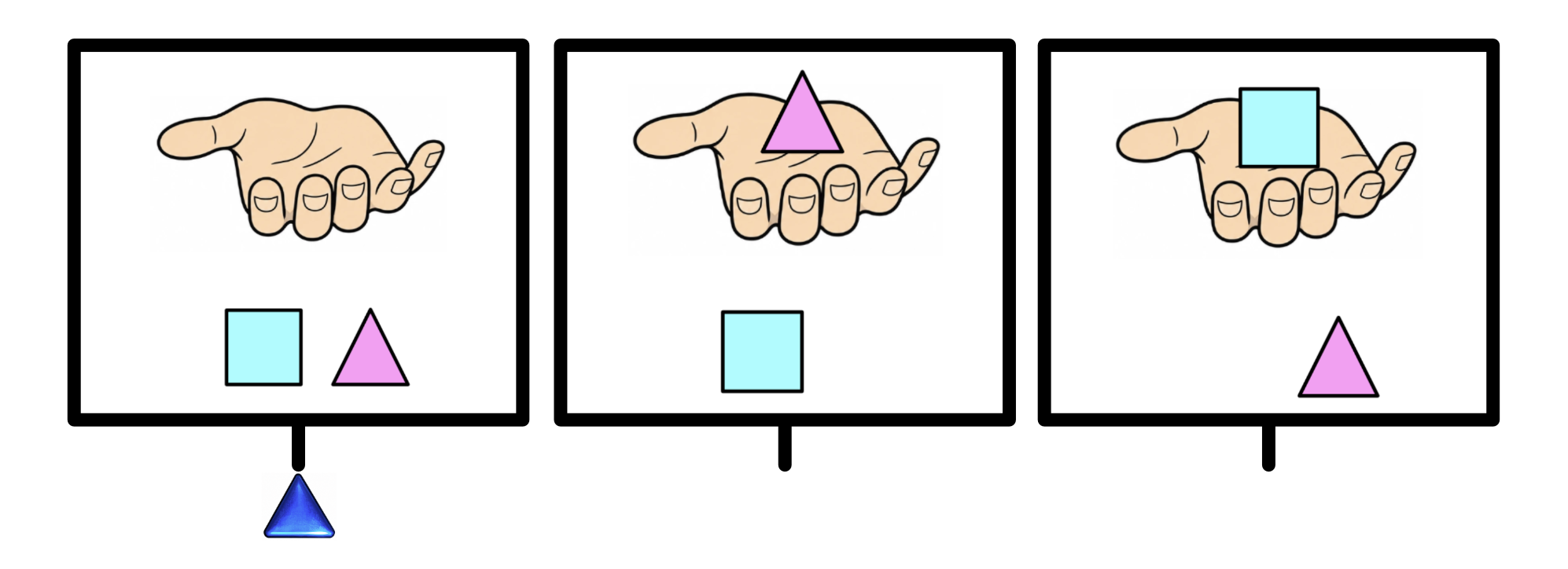
neither
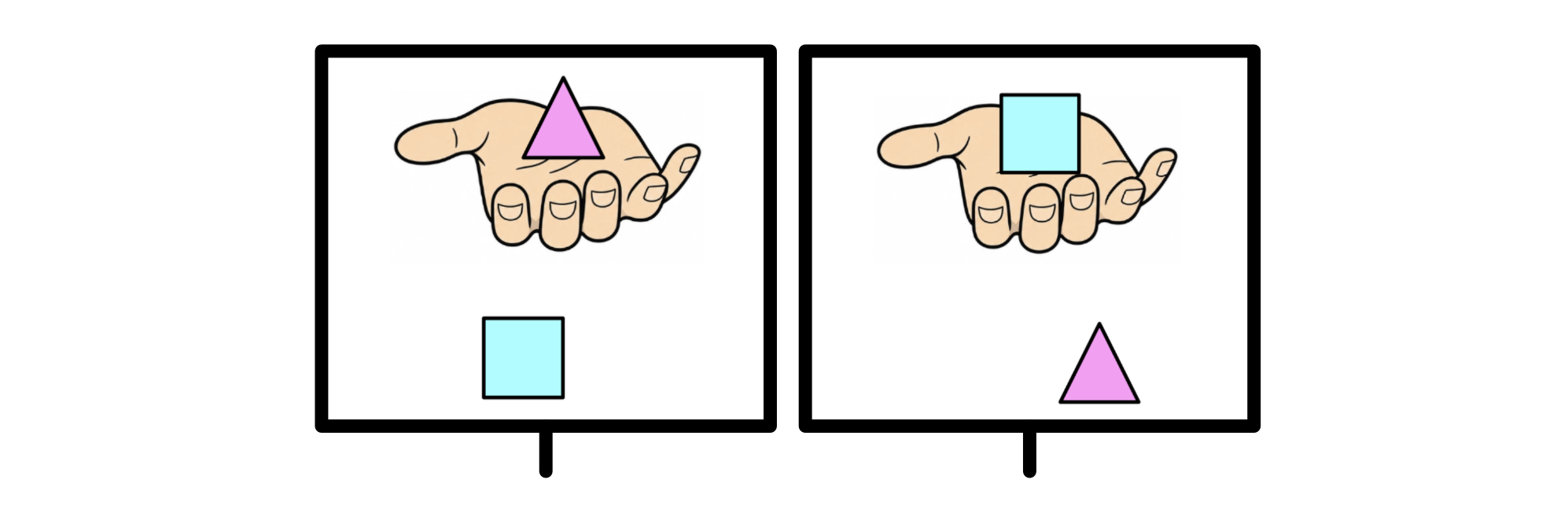
which, which one
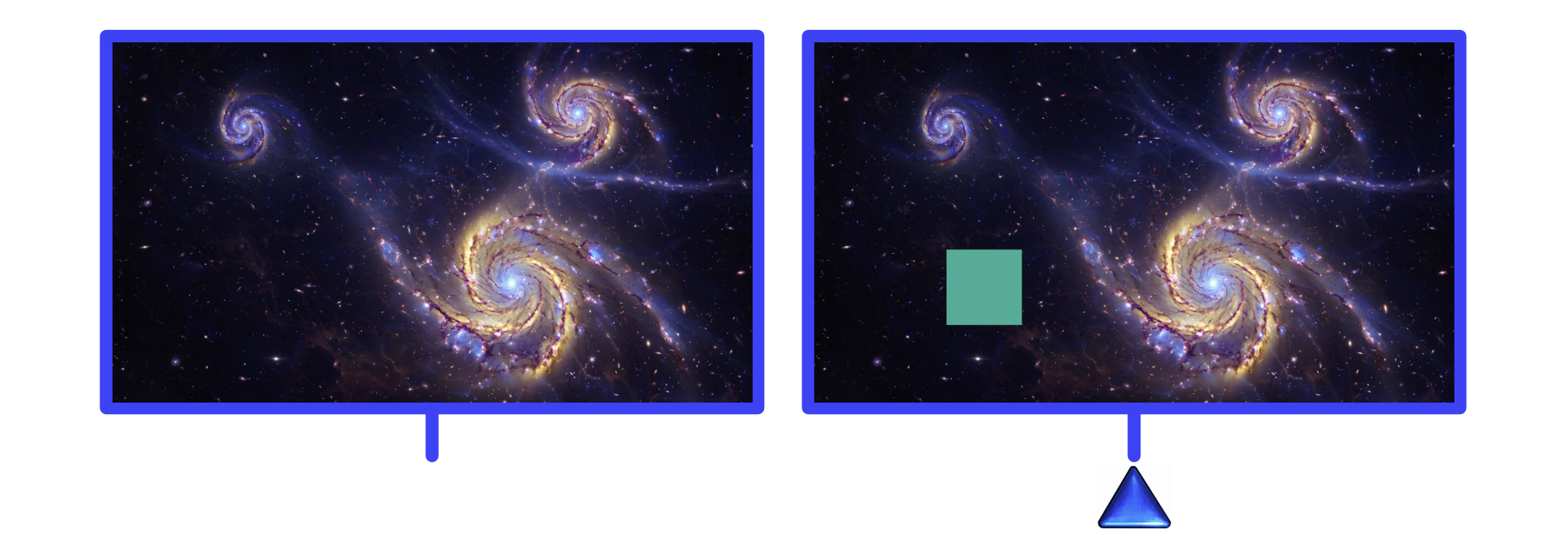
to exist
Can you understand the difference between the following two symbols?:

house
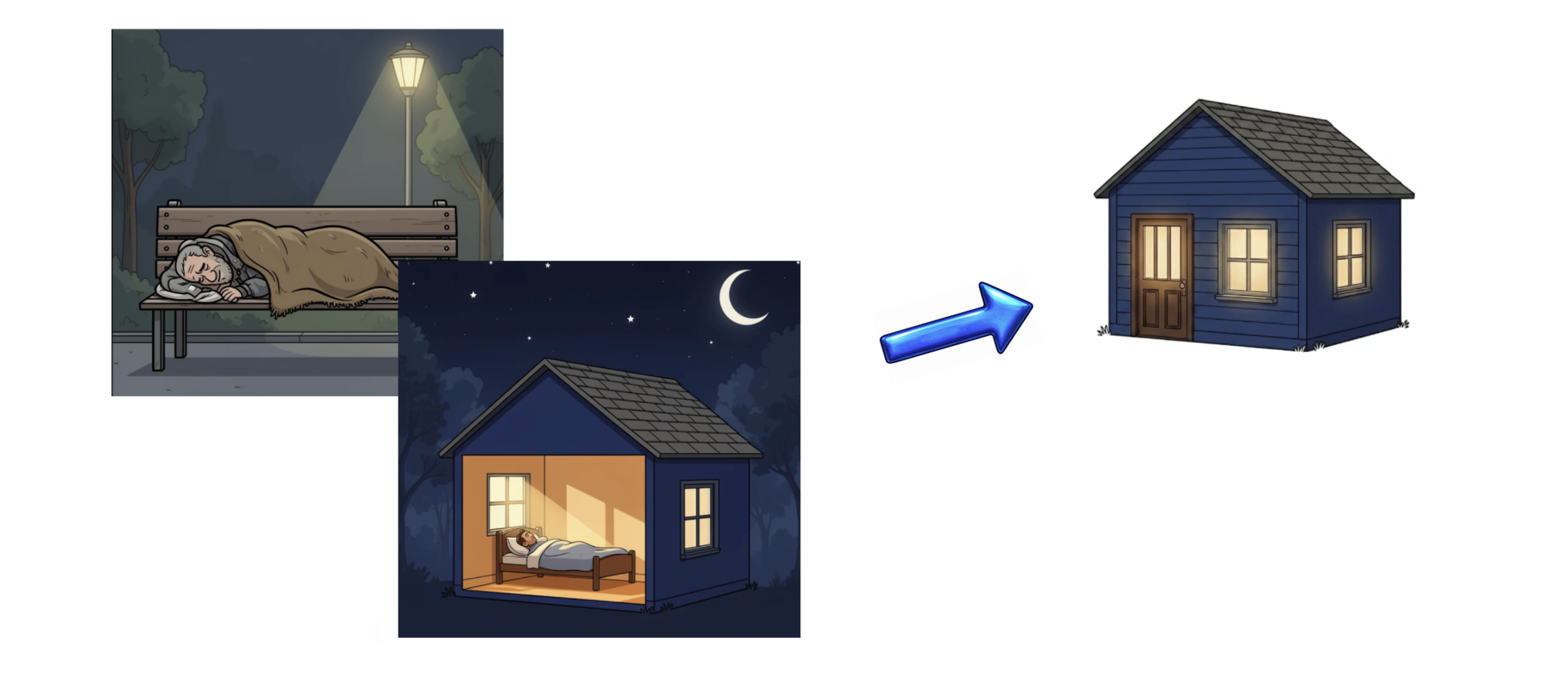
home
The symbol above for "home" is a context symbol that borrows a trick from contrast symbols - namely the presentation of two contrasting pictures that differ in some important aspect. The important difference is that one man has a home to sleep in while the other one doesn't. The selection arrow then removes the house from the contrasting context pictures. And this house isn't just any old house - it is a home.
Up till now we have been talking mostly about symbols and we haven't really addressed many grammar issues. For this reason you are not really ready to read whole sentences yet. But let's go ahead and look at a sentence that doesn't have grammatical markings just to give you the experience of reading a whole picture language sentence. Note the blue dot below is a period (marks the end of the sentence).




You've got the moves like Mick Jaggar.
| home | ||
| previous | table of contents | next |